SA · Tanunda
Apex Bakery
4.8 · 840 aggregated reviews
The story
The pre-dawn light in Tanunda is a bruised purple, thin and sharp, but inside the brick walls on Murray Street, the air is thick with the scent of roasted grain and smoldering Mallee root. Long before the Barossa Valley stirs, the rhythm of the hearth has already begun. There is a specific, guttural thrum—the deep, resonant sigh of a century-old Scotch oven—that serves as the bakery’s heartbeat. Outside, a small, shivering queue begins to form, a local ritual played out in wool coats and hushed greetings, all waiting for the golden, flour-dusted proof that another day in this historic valley has officially commenced.
A Century of Embers
To step into this space is to walk back into a time when baking was less a matter of convenience and more a matter of sheer atmospheric patience. Since its inception in 1924, this bakery has stood as a bastion of traditional technique, refusing the siren call of modern, automated efficiency. The story began with a commitment to the elemental: flour, water, salt, and the transformative power of a wood-fired flame.
The legacy here is one of stewardship. The bakery has remained a family-run enterprise, passed through generations who understood that the soul of a loaf isn’t found in a digital timer, but in the tactile assessment of a dough’s elasticity. They didn’t just bake bread; they curated a way of life that tied the rhythm of the community to the rhythm of the oven. In an era where "heritage" is often a marketing buzzword, here it is a literal, tangible reality—a hundred years of soot, ash, and pride baked into the very fabric of the building.
The Heart of the Hearth
The centerpiece of the operation, the Scotch oven, is not merely a tool; it is a temperamental, majestic beast. Built with the thermal mass required to hold heat for hours on end, it imbues every bake with a character that gas or electric ovens simply cannot replicate. The heat is radiant, gentle, and complex, imparting a subtle smokiness to the crusts and a deep, caramelization that sings of the wood fire.
"The oven is a living thing; it dictates the pace of the day, and you learn to listen to it as much as you learn to feed it."
This technique of slow fermentation is the bakery’s true secret. By allowing the dough to rest and develop over long periods, the bakers unlock a depth of flavor that is increasingly rare in the modern culinary landscape. The signature sourdough loaves emerge with thick, mahogany-colored crusts that shatter upon impact, yielding an interior crumb that is airy, chewy, and perfectly tangy. It is the kind of bread that demands nothing more than a knob of salted butter and a quiet moment.
Tradition in Every Bite
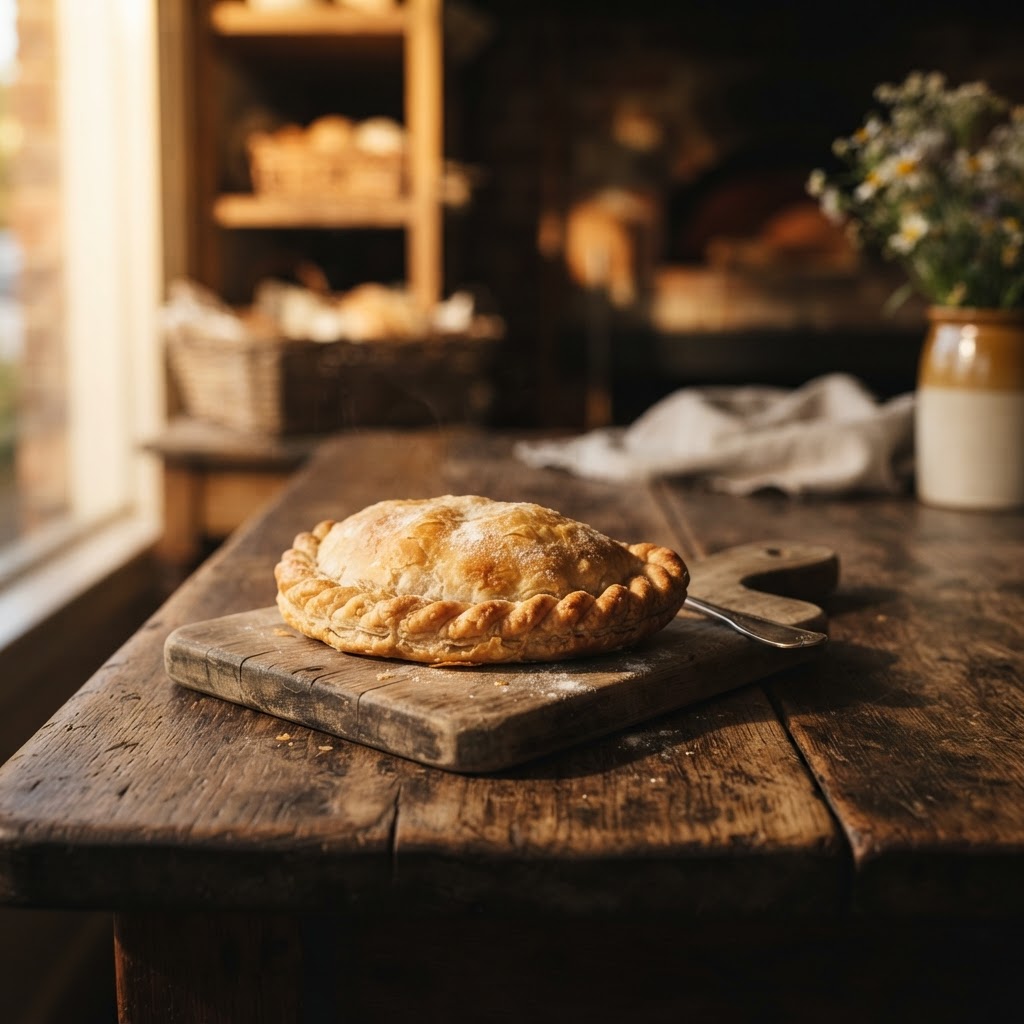
While the sourdough is the backbone, the bakery’s cultural currency is spent on its pasties and sweets. The wood-fired pastie is a marvel of regional engineering—a golden, buttery pastry shell protecting a steaming, savory core of local vegetables and high-quality meats. It is a handheld testament to the Barossa’s hardworking heritage, designed to sustain the body through a long day of labor.
Then, there is the streusel bun—a masterclass in texture. Soft, enriched dough crowned with a crumble that walks the line between buttery sweetness and a gentle, warming spice. It is the kind of treat that generations of locals have grown up with, a nostalgic anchor that connects the schoolchild to their grandparent. These are not trendy, fleeting creations; they are timeless staples, polished by a century of repetition until they have reached an almost platonic ideal.
The Soul of the Valley
With a rating that reflects a near-universal consensus among travelers and locals alike, the bakery occupies a sacred space in Tanunda’s social geography. To visit today is to experience the seamless blend of history and hospitality. You find the morning crowd—vineyard workers, tourists clutching maps, and elderly residents who have been coming since they were children—all standing on the same worn floorboards, all waiting for their favorite slice of tradition.
There is a profound humility in the service here. Despite the acclaim and the endless stream of visitors, the atmosphere remains grounded. The flour on the apron, the heat radiating from the back, and the warmth of a genuine greeting define the experience. It serves as a reminder that even in a world that moves at an exhausting, hyper-connected pace, there is still immense value in the simple act of baking bread by hand, one fire at a time, ensuring that the legacy of 1924 remains just as delicious in the next century as it was in the last.
What the reviews say
Scores aggregated from 840 public reviews.