SA · Torrensville
Kalymnos Pastries
4.8 · 455 aggregated reviews
The story
The sun has barely crested the horizon in Torrensville, yet the air outside the shopfront is already heavy with the scent of toasted walnuts, clover honey, and the unmistakable, butter-drenched perfume of clarified ghee. Inside, the rhythmic thwack of a rolling pin against a marble bench provides the metronome for the morning. Beneath the warm, golden glow of pendant lights, a small queue has already begun to snake toward the glass display cases—a ritual of devotion for regulars who know that to arrive late is to miss the freshest batches of the day.
A Legacy Written in Pastry
To step into this corner of South Australia is to step across a meridian, leaving behind the suburban sprawl for a piece of the Dodecanese. This is not merely a bakery; it is a repository of cultural memory. The story of this institution is one written in layers—much like the phyllo that serves as its foundation—representing four generations of a family who carried the culinary soul of the Greek island of Kalymnos across the oceans.
For the founding family, the bakery was never just a business venture; it was an act of preservation. In the mid-twentieth century, when the diaspora sought to carve out a life in a new land, they brought with them the handwritten recipes of their matriarchs. These were not measurements written in grams, but in "handfuls," "glances," and the instinctual knowledge of when dough has been stretched thin enough to read a newspaper through. Over the decades, the bakery grew from a humble kitchen endeavor into a cornerstone of the Torrensville community, evolving through the hard work of successive generations who treated the family trade with the reverence of a religious rite.
The Architecture of Sweetness
The reputation of the shop—bolstered by a formidable 4.8-star rating from a legion of loyal patrons—rests upon a stubborn commitment to the "old ways." While the rest of the world has rushed toward shortcuts and industrial stabilizers, the kitchen here remains a sanctuary of patience.
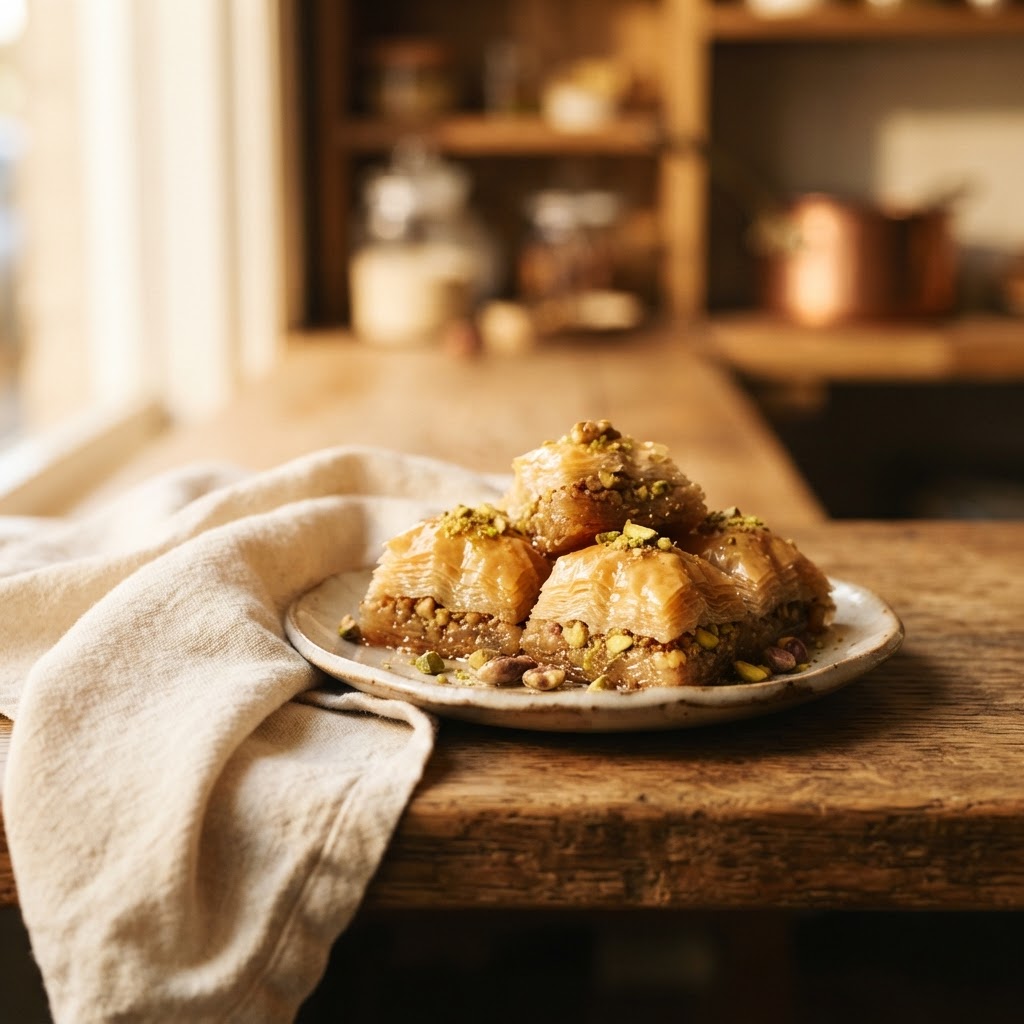
Take, for instance, the baklava. In lesser establishments, it is a sodden, sugary afterthought. Here, it is an architectural triumph. Each sheet of pastry is brushed with meticulous precision, layered with a mixture of nuts spiced with just enough cinnamon to provide warmth without overwhelming the palate. The final drizzle of honey syrup is tempered to ensure the pastry remains shattered-glass crisp on the top, yet deeply infused toward the base.
Then there is the kataifi, a masterpiece of shredded dough that looks like a bird’s nest of spun gold. To bite into it is to experience a contrast in textures that defies simple description—the fibrous, buttery crunch of the exterior giving way to a dense, nutty, syrup-soaked heart. And of course, the bougatsa: served warm, the custard-filled pastry arrives with a dusting of cinnamon that hangs in the air like a sweet, fragrant mist. It is honest food, unpretentious and profoundly comforting.
"There is no alchemy in our kitchen that cannot be explained by time and quality," the family often says. "If you rush the butter, the pastry knows. If you hurry the syrup, the sweetness will be shallow. We bake as if our grandmother is watching."
The Craft of the Counter
The technique behind these bakes is tactile and demanding. Witnessing the bakers at work is a study in controlled tension. Stretching phyllo by hand is a dying art, one that requires a symbiotic relationship between the baker and the dough. It requires a cool room, a steady hand, and the ability to feel the humidity in the air—the true secret to a perfect bake in the Australian climate.
The bakery’s place in Torrensville is anchored by this transparency. There are no curtained-off prep areas or high-tech machinery humming in the background; the craft happens in the open, a theater of flour and fire. It is this intimacy that defines the customer experience. When you stand at the counter, you aren’t just a transaction; you are a participant in a long-standing dialogue between the baker and the community. You are greeted by the warmth of the ovens and the sincerity of a team that views their work as a vital link between the old world and the new.
A Ritual of Belonging
Today, a visit remains a sensory grounding. Whether it is a Saturday morning rush or a quiet Tuesday afternoon, the atmosphere remains unchanged: warm, buzzing with soft conversation, and redolent of toasted nuts and citrus-spiked syrup. For the local Greek community, it is a taste of home; for everyone else, it is an education in what happens when craft is handed down rather than sold off.
As the shop fills, you see the regulars—the elderly gentleman who buys the same two pieces of kataifi every week, the young families introducing their children to the scent of their own heritage, and the curious passersby lured in by the smell of butter browning in the heat. In a world that prizes the ephemeral and the rapid, this historic patisserie serves as a reminder that some things are worth the wait. It is a place where tradition is not a static artifact behind a velvet rope, but something to be consumed, shared, and savored, one golden layer at a time.
What the reviews say
Scores aggregated from 455 public reviews.