TAS · Latrobe
Latrobe Bakery
4.1 · 160 aggregated reviews
The story
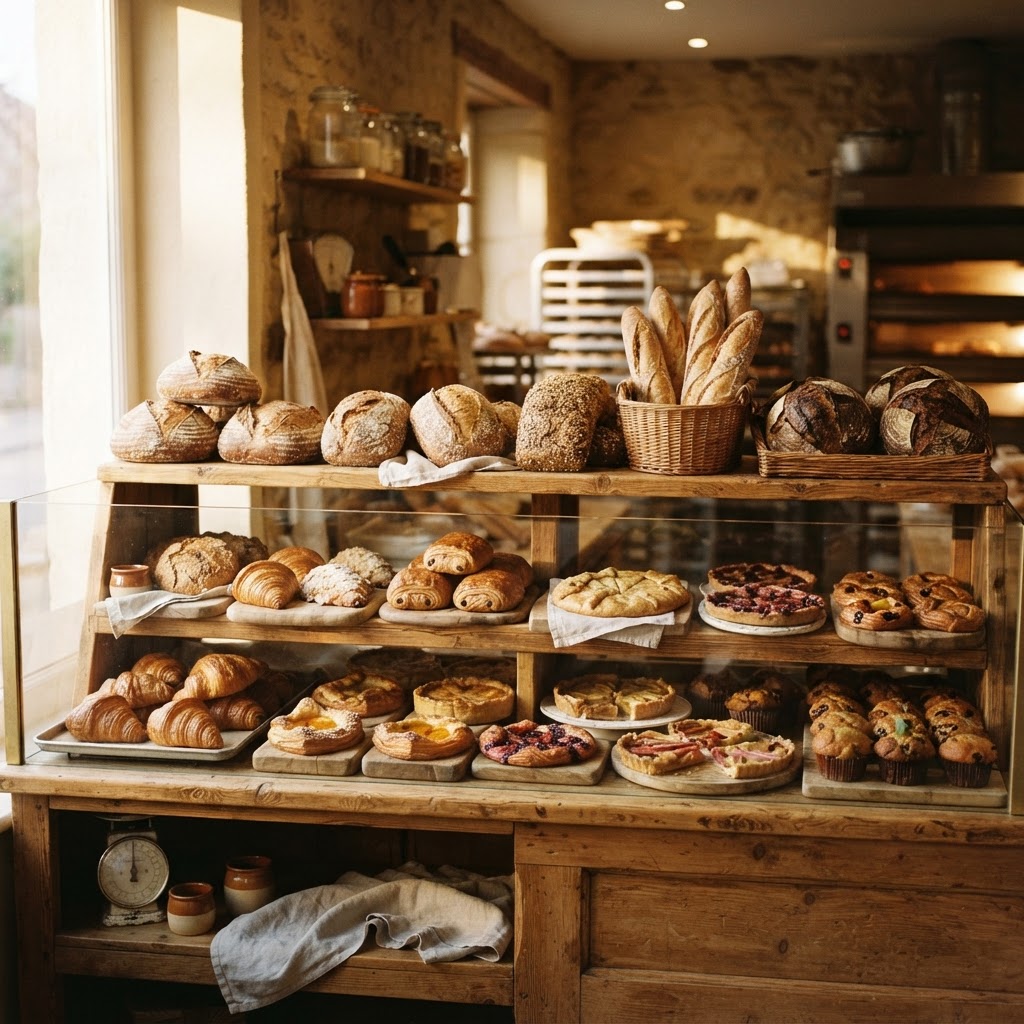
The morning light in Latrobe arrives with a sharp, crisp clarity, the kind that only exists in the northern reaches of Tasmania. Outside the brick façade of the town’s most enduring bakery, a small queue has already begun to form, huddled against the bite of the wind. Inside, however, the air is thick, golden, and heavy with the intoxicating alchemy of toasted grain, rendered fats, and cooling sugar. A radio hums somewhere behind the stainless steel racks, punctuated by the rhythmic thwack of dough against a floured bench and the hiss of the industrial ovens releasing their morning burden. Here, in the heart of the town, the day does not begin with a siren; it begins with the first batch of bread.
A Legacy of Flour and Fire
Every small town possesses a heartbeat, a singular place where the narrative of the community is inscribed not in books, but in the daily ritual of breaking bread. For generations, this establishment has stood as a guardian of traditional baking, resisting the siren call of mass-produced convenience in favor of a slower, more deliberate craft. The origins of the bakery are rooted in a time when a baker’s worth was measured by the spring in their sourdough and the depth of their crusts.
While the faces behind the counter may shift with the passing seasons, the ethos remains tethered to the founding philosophy: that food should be hearty, honest, and crafted by hand. It is a lineage of labor. The bakers here are practitioners of a quiet, grueling art, showing up long before the sun dares to crest the horizon to tend to starters that have been fed with the same devotion for years. This is not a laboratory of molecular gastronomy; it is a sanctuary of substance.
The Architecture of the Perfect Pie
To visit this bakery is to engage in a conversation with history. Take, for example, the Steak and Kidney pie. In an era of fleeting culinary trends, the steadfast presence of this classic on the menu is a testament to the bakery’s refusal to compromise. The pastry—shattering into buttery, golden shards at the slightest pressure—is a technical marvel, achieved only through the patient lamination of quality fats and chilled air. Inside, the filling is a testament to the slow-simmered art, where the steak and kidney have surrendered to a rich, dark gravy that coats the back of a spoon.
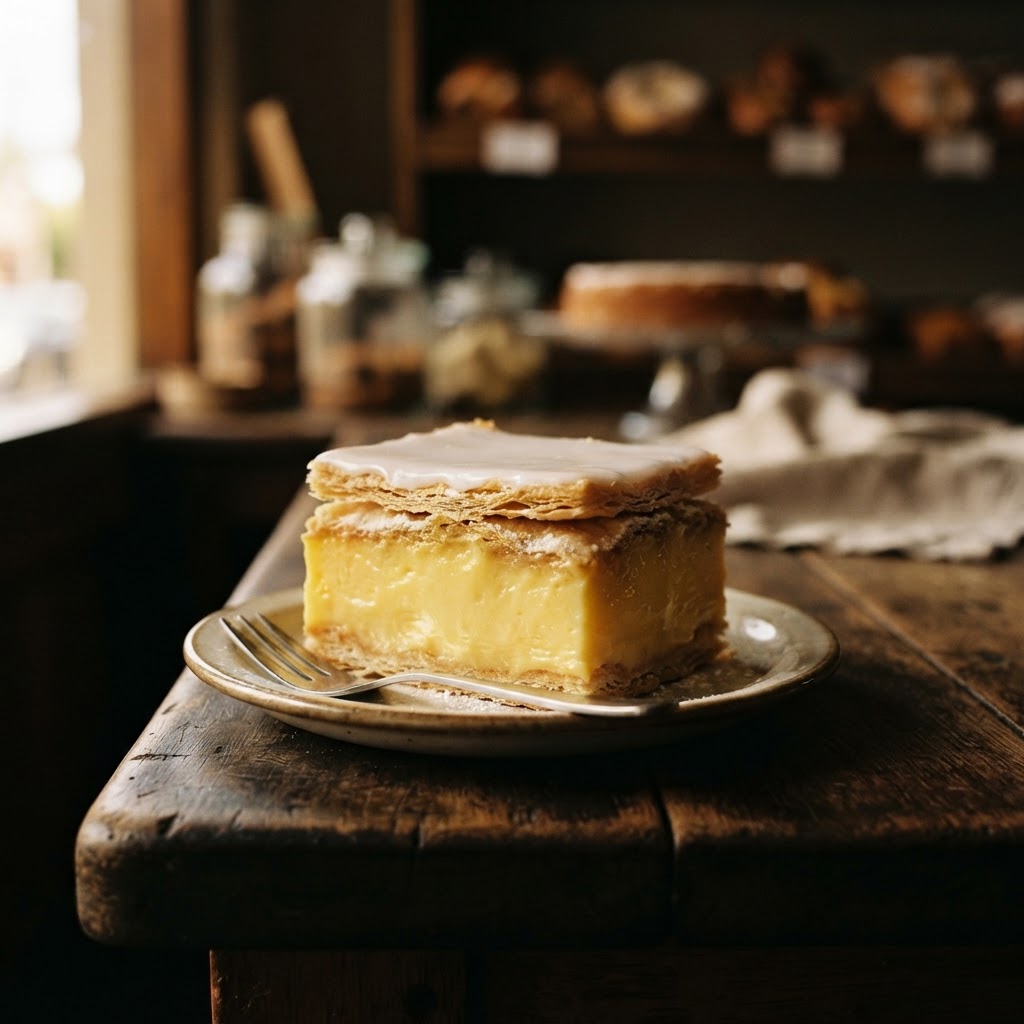
Then there is the vanilla slice, a towering architecture of custard and pastry that serves as the bakery’s sweet anchor. It is a study in texture: the crisp, caramelized top layer, the wobble of a custard that tastes of real Madagascar vanilla bean and farm-fresh cream, and a base that retains its integrity until the very last bite. These are not portions designed for the faint of heart; they are built to sustain, to nourish, and to satisfy, reflecting the robust, unpretentious spirit of the Tasmanian landscape itself.
"There is a dignity in the process here; when you craft something with your own hands for your neighbor, you aren't just selling a meal, you are affirming your place in the community."
The Rye and the Rhythm of the Table
While the savory pies draw the lunch crowd, it is the fresh rye bread that tells the true story of the bakery’s technical prowess. Working with rye is famously temperamental—a sticky, demanding grain that requires an intimate understanding of hydration and fermentation. The loaves here emerge from the oven with a dark, deeply aromatic crust that protects a dense, complex crumb. It is the kind of bread that needs nothing more than a thick smear of salted butter to become a meal in itself.
The craft behind the counter is a ballet of muscle memory. The bakers here understand the nuances of the Tasmanian climate, adjusting their proofing times based on the humidity of the morning and the temperament of the oven. It is an intuitive, tactile knowledge that cannot be transcribed into a recipe card. It is a conversation between the baker’s hands and the living, breathing medium of yeast and flour.
The Hearth of Latrobe
Today, the bakery serves as the unofficial town square. It is the place where tradies lean against the counters to trade news of the coming storm, where families gather on weekends to share a treat, and where travelers pause their journey along the north coast to find a moment of genuine warmth. There is a sense of belonging that permeates the space—a welcoming community vibe that makes the act of standing in a queue feel less like a chore and more like a participation in something collective.
As the morning progresses, the light shifts, catching the dust motes dancing above the display cases. The counter staff, who know most of the regulars by name and order, navigate the rush with a practiced, unflappable grace. To spend time here is to recognize that a bakery is more than the sum of its ovens. It is a bridge between the past and the present, a place where the simple, ancient act of feeding one another continues to sustain a community. In a world that is increasingly hurried and detached, this bakery remains a reliable, warm constant, proving that there will always be a place for the honest craft of a good loaf and a hearty slice.
What the reviews say
Scores aggregated from 160 public reviews.
The vault