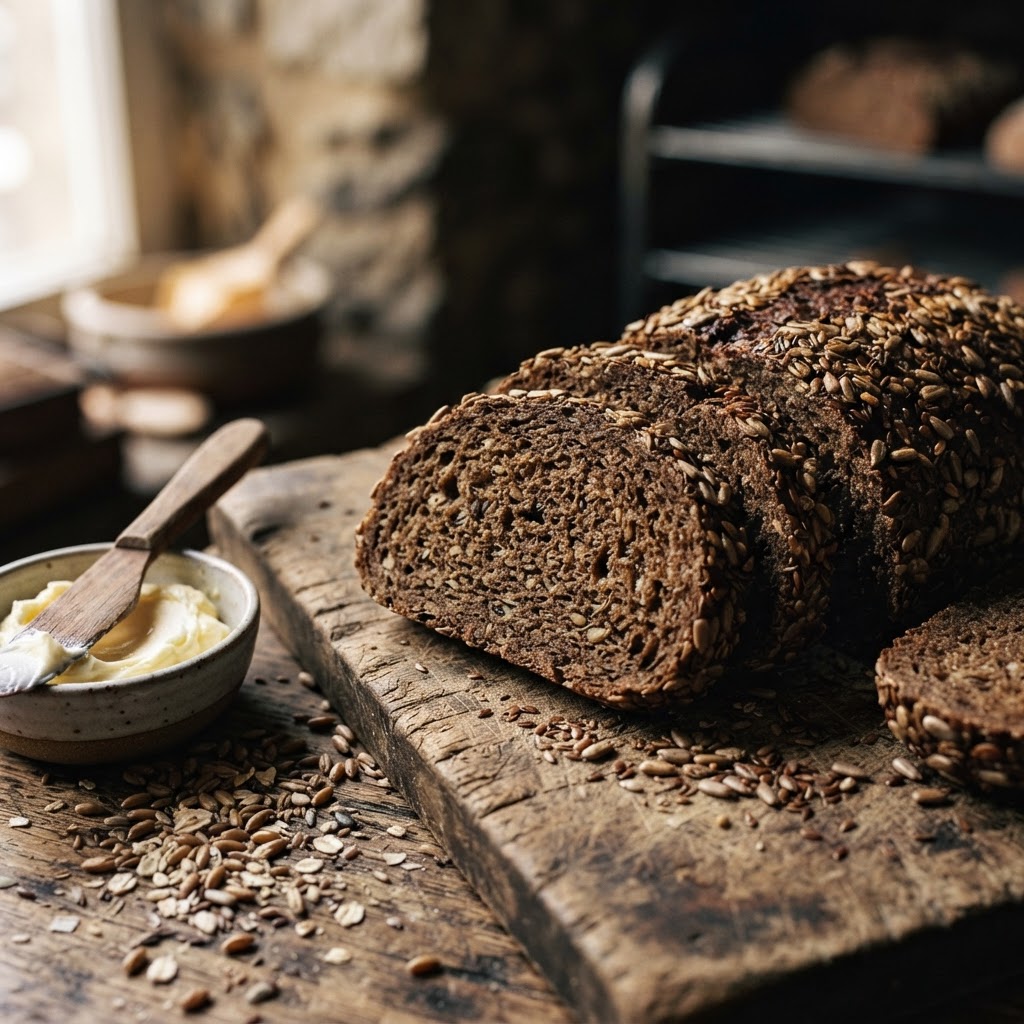
The Northern Shift: How Nordic Baking is Quietly Transforming the Australian Loaf
Move over, white sourdough; a darker, earthier revolution is taking hold in Australian artisan bakeries. Discover how the influence of Northern Europe is redefining our daily bread.
The morning air inside the bakery is thick with the scent of toasted caraway and molasses, punctuated by the rhythmic, sharp crackle of a heavy crust cooling on wire racks. It is a sensory departure from the ethereal, dusty aroma of plain white flour—a deeper, more grounded experience that speaks to a shift occurring across the Australian artisan bread scene.
The Rise of the Darker Loaf
For decades, the Australian bread narrative was dominated by the quest for the perfect, open-crumbed white sourdough. However, a quiet, delicious rebellion is underway. Influenced by the heritage techniques of Scandinavia, Germany, and the Baltic states, our most forward-thinking bakers are moving away from refined flours toward the complex, mineral-rich profiles of dark rye, pumpernickel, and sprouted grains. This isn't merely a stylistic trend; it is a fundamental shift in how we approach grain integrity.
Technical Mastery and Ingredient Integrity
The secret to this Northern European renaissance lies in the sourdough culture and the extended fermentation process. Unlike the light, airy loaves of the French tradition, these breads—often classified as 'black' or 'dark' ryes—rely on a firm, rye-based starter that develops a distinct lactic acidity. Australian bakers are now sourcing locally milled, stone-ground rye from regions like the Grains Belt in New South Wales and the cooler climes of Tasmania, ensuring the flour retains its germ and bran. These loaves are dense, moisture-heavy, and packed with functional seeds—linseed, sunflower, and pepita—which undergo a 'soaking' phase before hitting the dough. This technique, a staple in Nordic kitchens, softens the seeds and ensures that the finished loaf provides a satisfying, textural contrast without compromising the structural integrity of the crumb.
The Australian Adaptation
While the techniques are borrowed from the icy winters of the North, the application is quintessentially Australian. Local bakeries are elevating these robust loaves by incorporating native ingredients—think wattleseed for a nutty depth or mountain pepperberry to provide a subtle, herbal heat to the finish. This hybridization reflects a sophisticated maturity in our food culture; we are no longer just importing foreign traditions, but adapting them to the unique terroir and palate of the Australian landscape. Whether it is served as the foundation for a breakfast of smashed avocado and cured trout or simply toasted with cultured, salted butter, the seeded rye loaf is no longer a niche curiosity. It is the new benchmark for the discerning baker.
The Takeaway
Embrace the density. When choosing your next loaf, look for the dark, heavy crusts and seed-studded crumb; they represent the current pinnacle of Australian artisan baking, offering superior nutrition and a depth of flavor that turns every slice into an occasion.